
The Property and History of the Borgo
Space, Silence and Essence
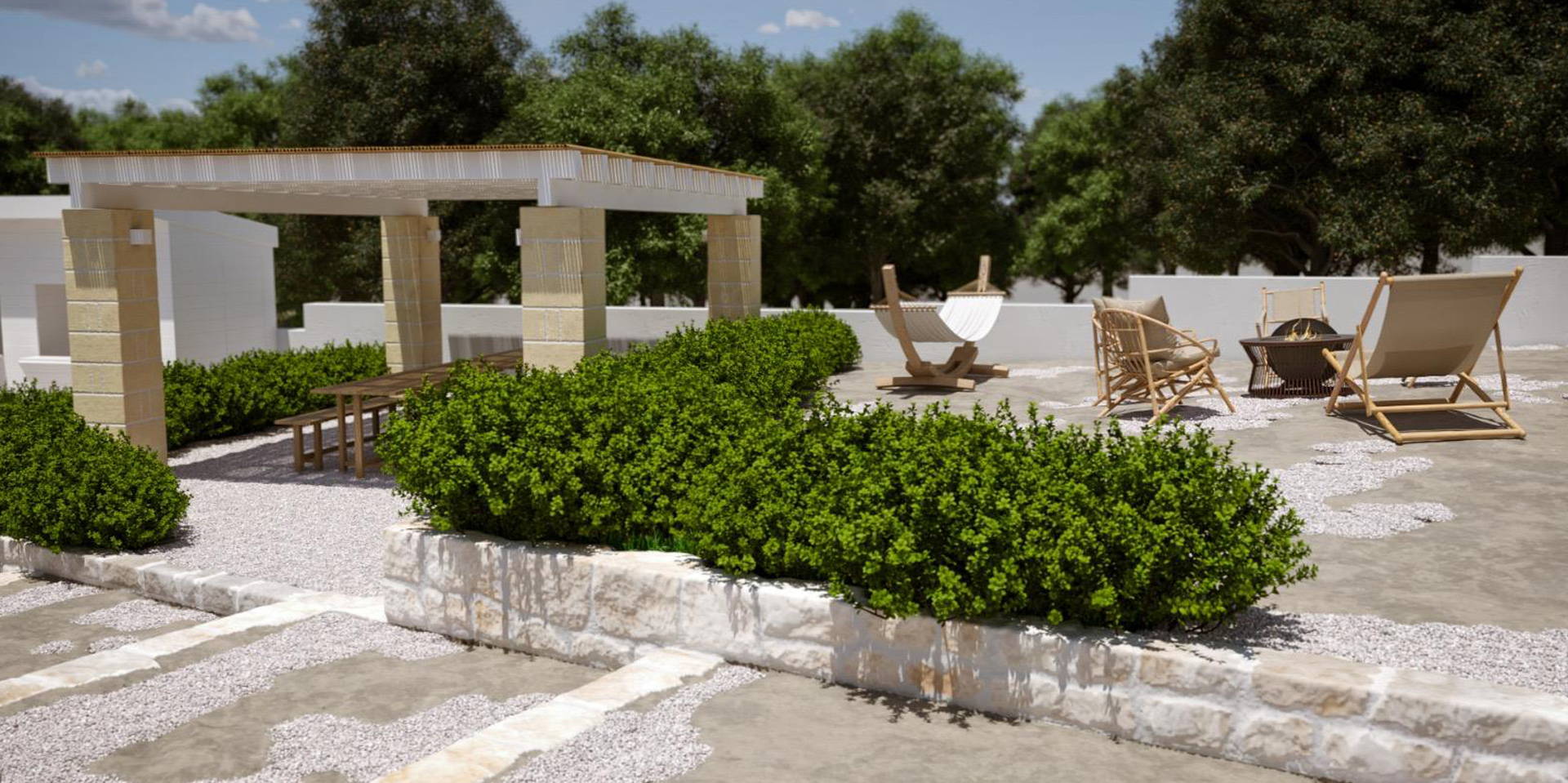
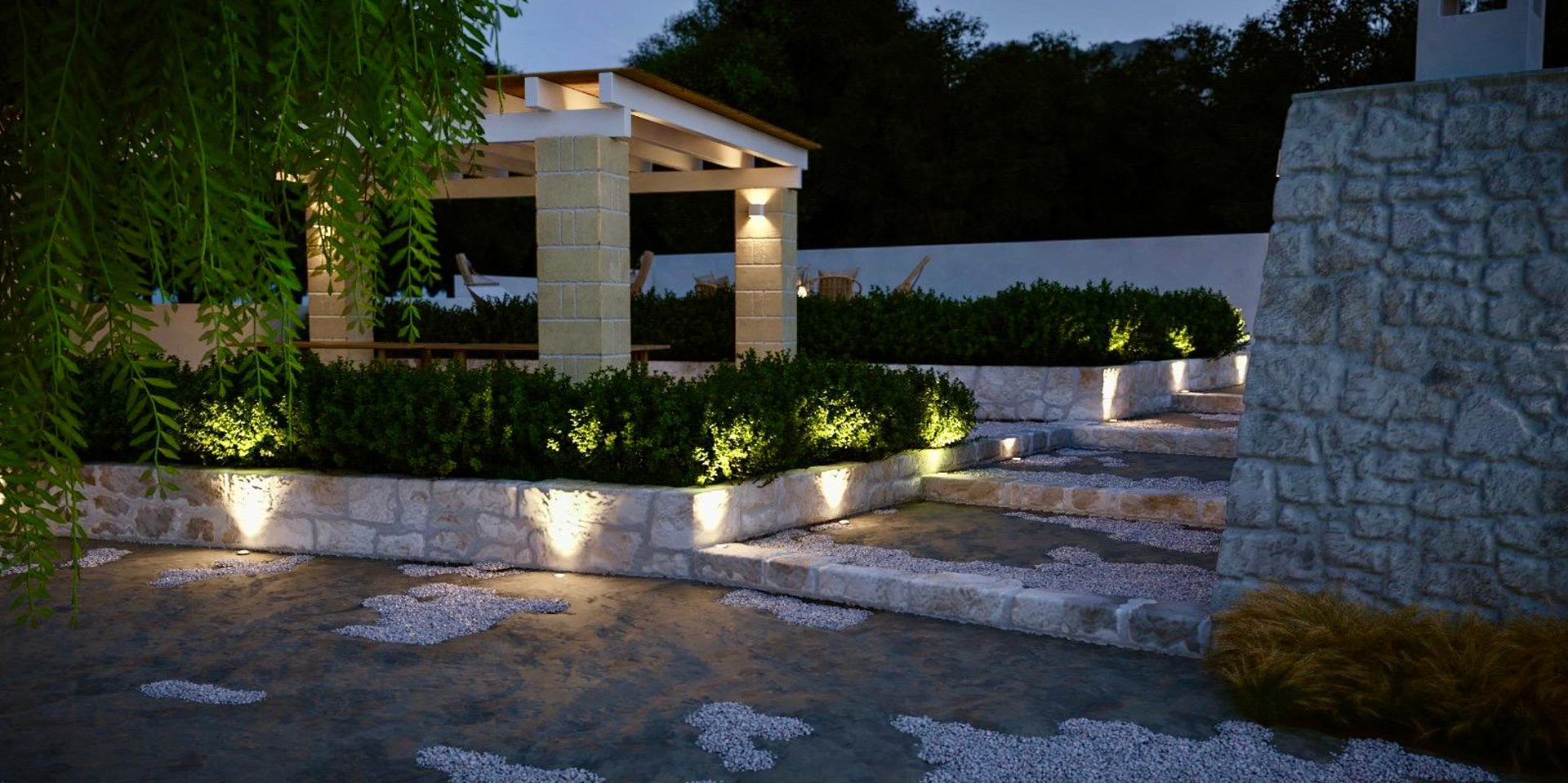

Borgo Pascarosa: A Luxury Rural Retreat
Borgo Pascarosa was born out of a desire to preserve the authentic beauty of Contrada Pascarosa, a place where nature, stone, and silence embody the very essence of the landscape.
Located in the heart of the Itria Valley, this exclusive village was conceived as a retreat for travelers seeking an authentic luxury experience, far from mass tourism and the conventions of conventional hospitality.
Pascarosa’s history dates back to the early 20th century, when the presence of the railway station contributed to the area’s development without compromising its natural balance. Even today, the village retains this identity: a place that has evolved yet remains deeply respectful of silence and the landscape.
The architecture of Borgo Pascarosa draws inspiration from Apulian building traditions, utilizing local materials and simple forms that blend harmoniously with the natural surroundings. Simple volumes, open spaces, and natural light create elegant and refined environments, in perfect harmony with the surrounding nature.
The result is a contemporary village that celebrates the traditions of Apulia, offering an exclusive stay immersed in the Mediterranean landscape.
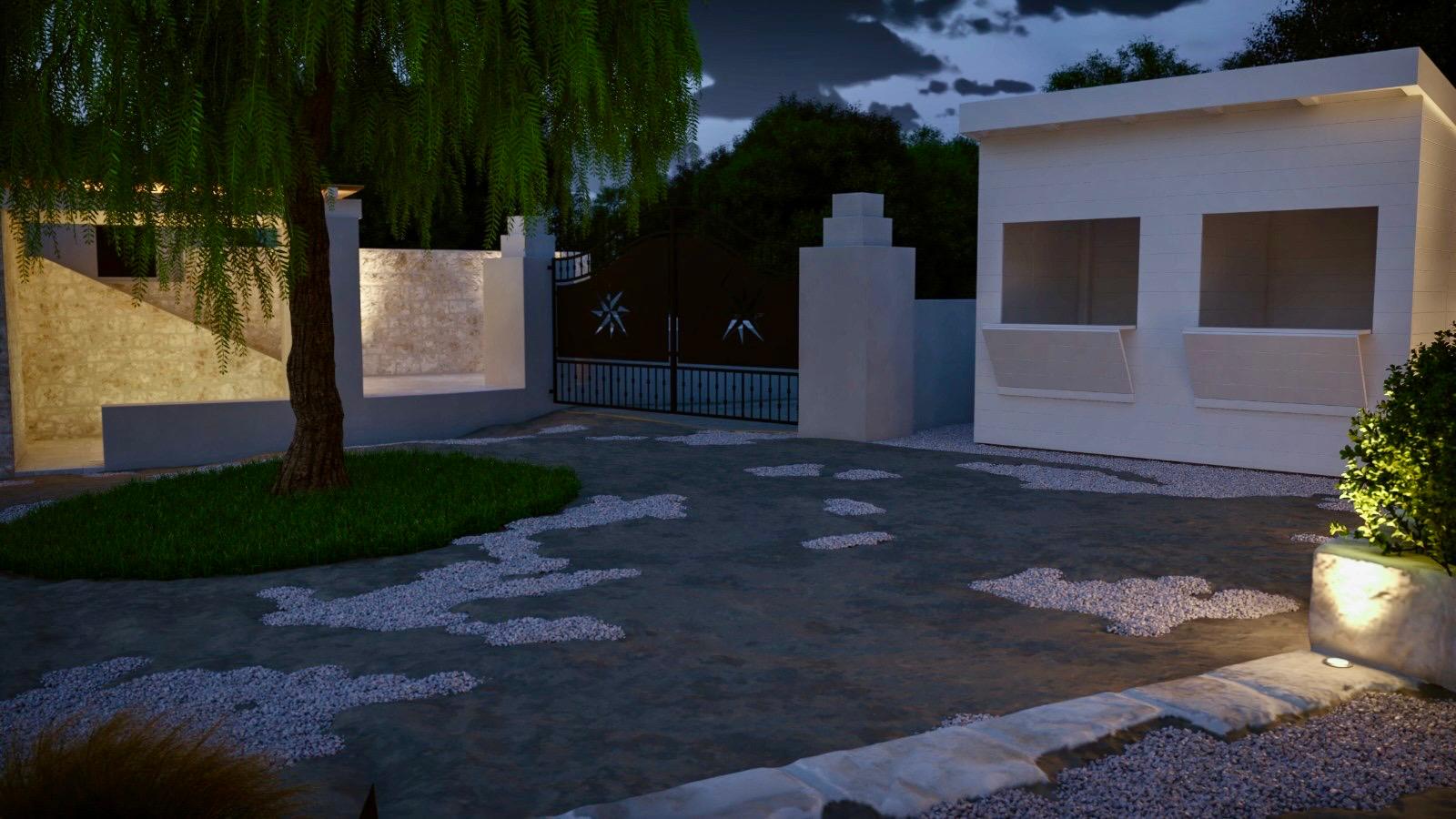
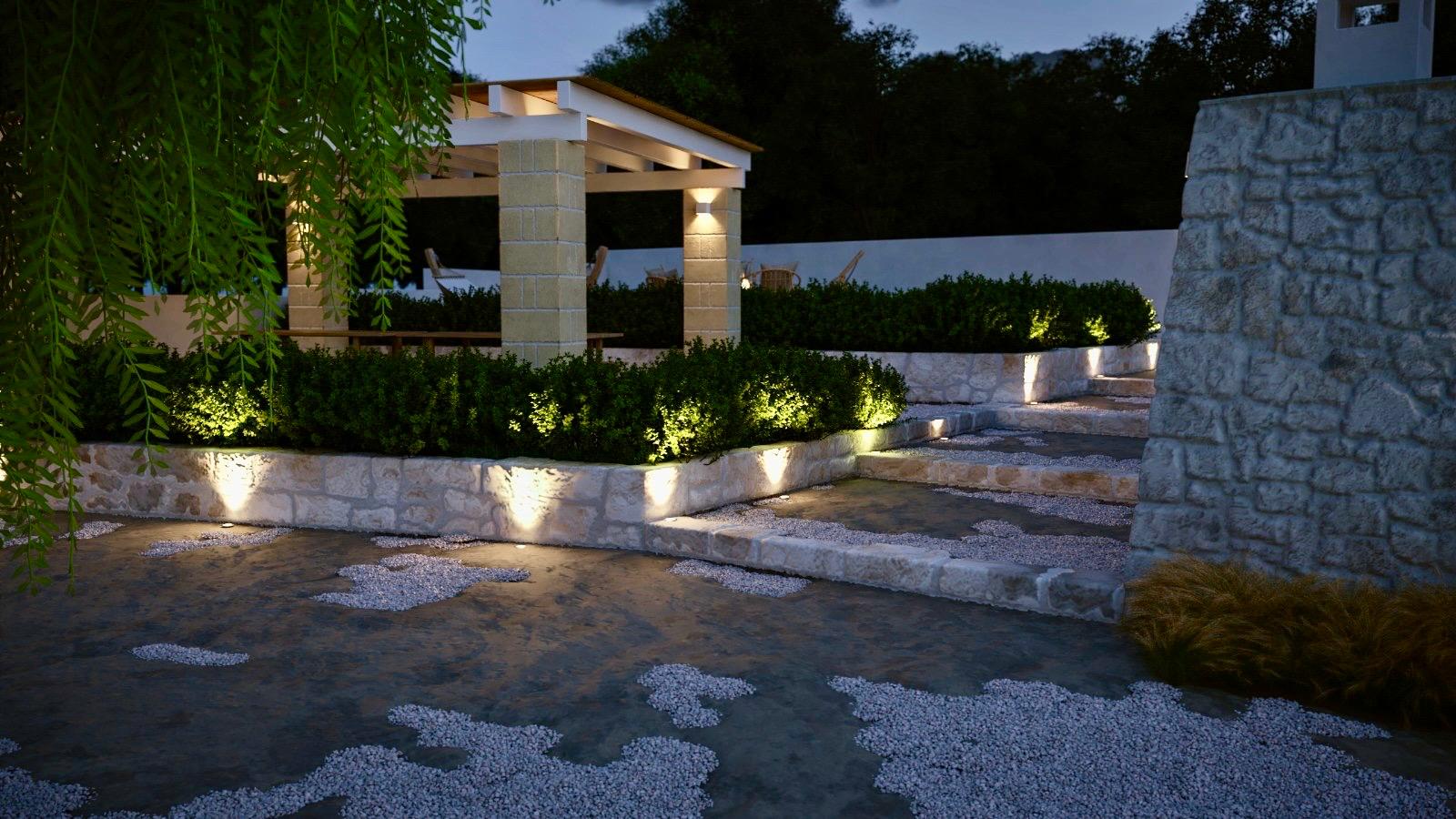
The History of the Borgo
In the countryside of the Itria Valley, the hamlets began as small rural settlements, far from populated areas, built around the essentials of life: land, water, and shelter. These simple dwellings, constructed from local stone, were designed to provide protection from the heat and wind and to harmonize with the rhythm of farm work.
Here, life followed the cycle of the seasons, without haste, in a constant balance between man and nature.
A short distance away, the small station of Pascarosa marked a quiet waystation.
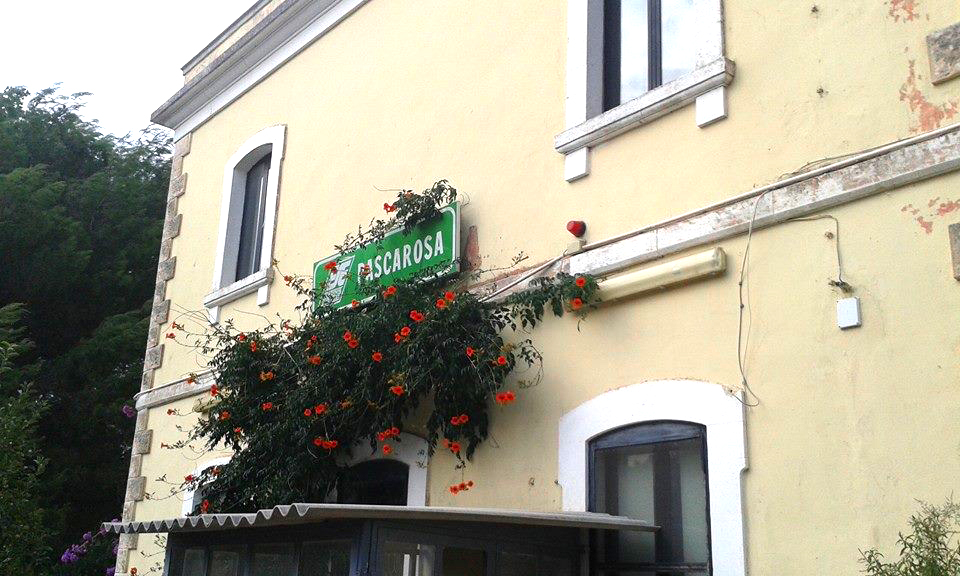
A marginal place, almost suspended, where time seemed to slow down along with the trains crossing the countryside.
Not a center, but a threshold: between arrivals and departures, between those who stayed and those who passed through these lands.
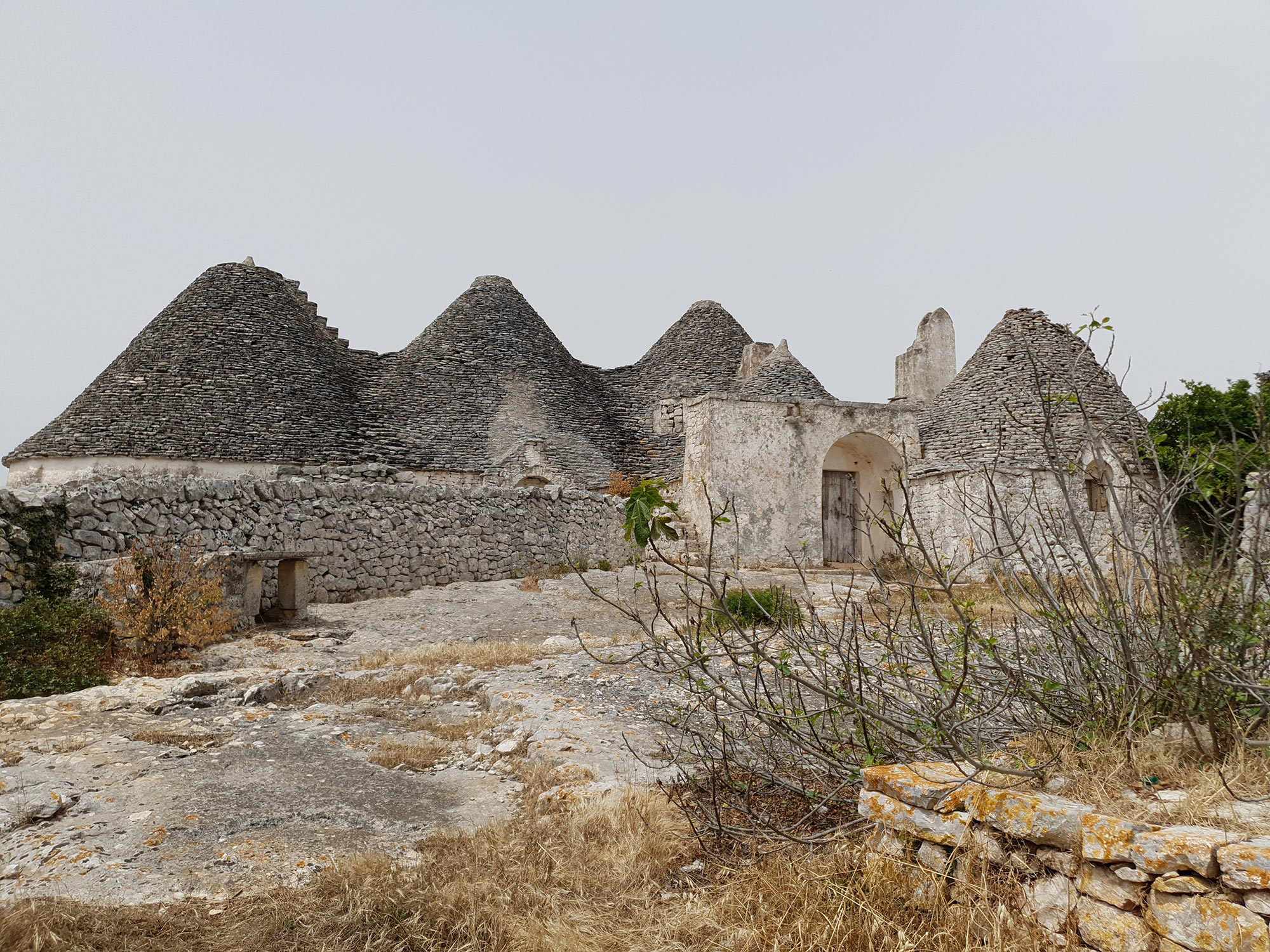
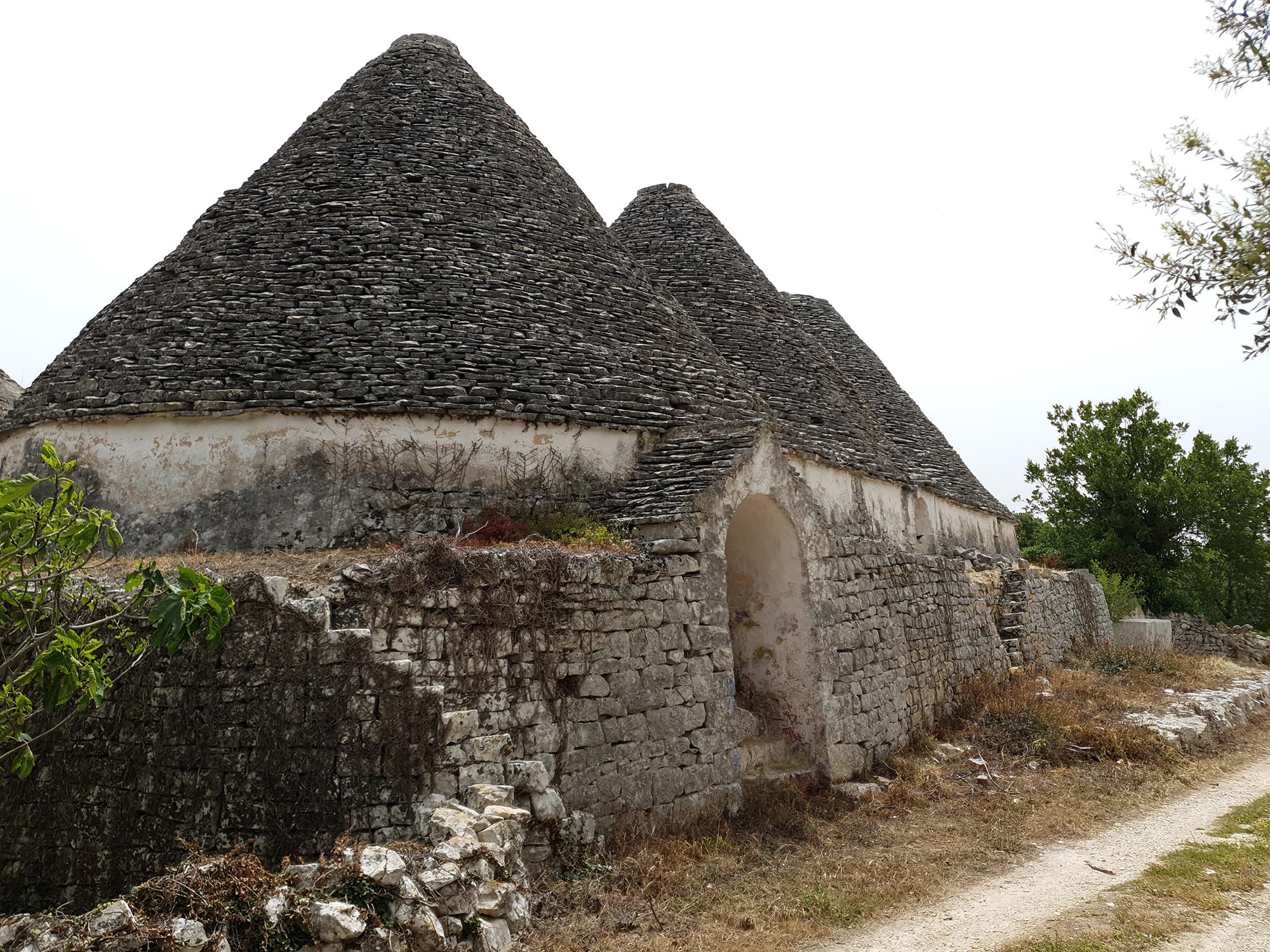
In these very lands, the presence of Giuseppe Argentiero, known as Seppe li Sierri, is passed down through the generations.
A figure linked to peasant tradition, Seppe was considered a healer. He used wild herbs, roots, and knowledge passed down through the generations to care for the people who came here, often from far away. His was not merely practical knowledge, but a way of being in the world: listening, observing, intervening with restraint.
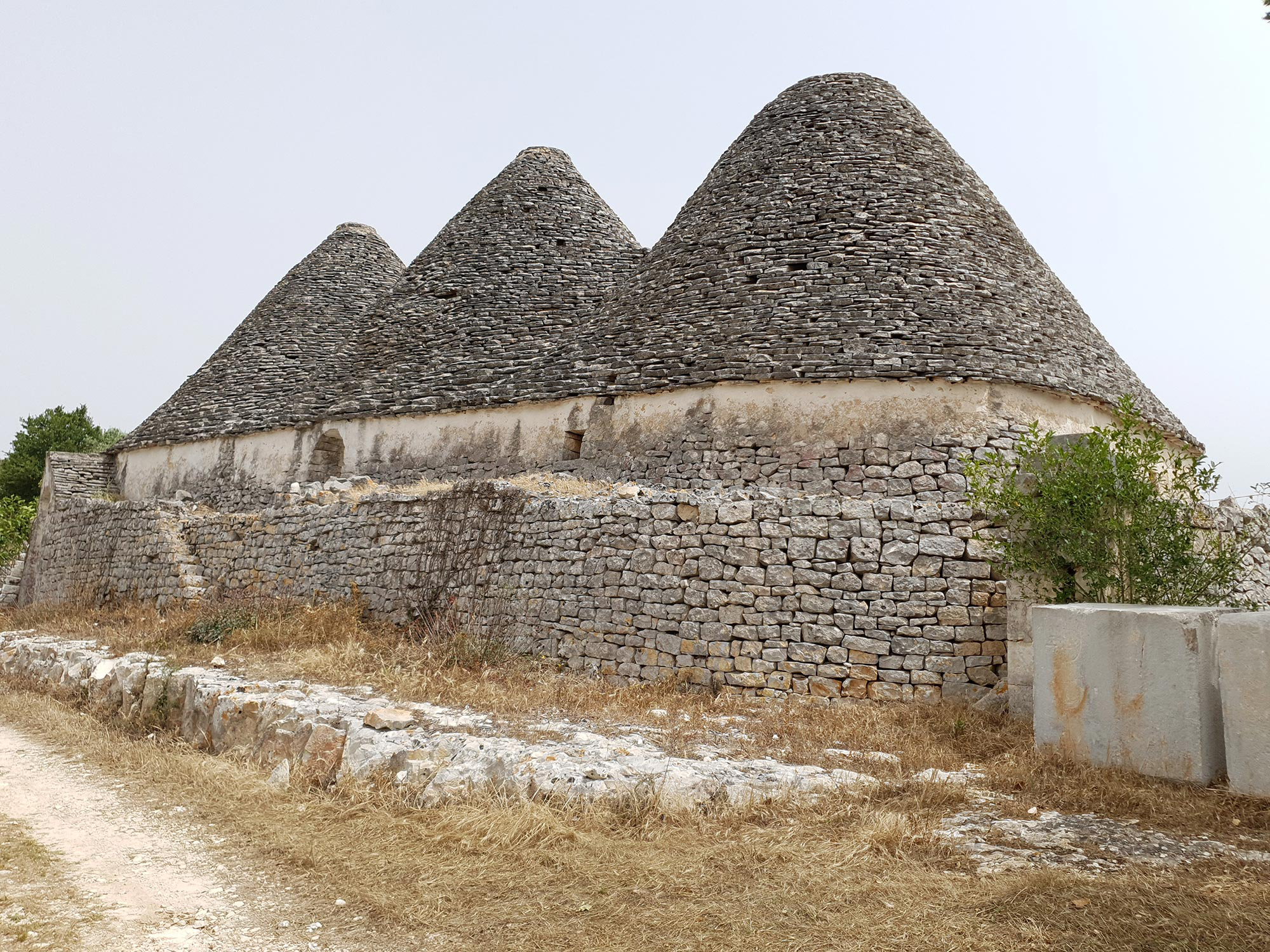
Pascarosa was born from this memory.
The restoration of the village was not conceived as a transformation, but as an act of continuity. The spaces have been preserved in their authenticity, the stone left exposed, the proportions respected. Every intervention was guided by the idea of not altering the original balance of the place. Just as Seppe once took care of people, today Pascarosa is born with the same intent: to offer a space where one can slow down, rediscover one’s own rhythm, and reestablish a more essential connection with what surrounds us.
Not as a return to the past, but as a present possibility
Location
Office
via Bastioni San Giorgio, 44/46 - 72100 Brindisi, Italy
Monday-Friday
8:00-1:00 PM / 4:00-8:00 PM
+39.0831.57 35 42
B&B
Contrada Pascarosa - Ostuni (Br) - Italy
Check-out: by 10:00 AM
Check-in: from 12:00 PM
+39.000.00 00 000